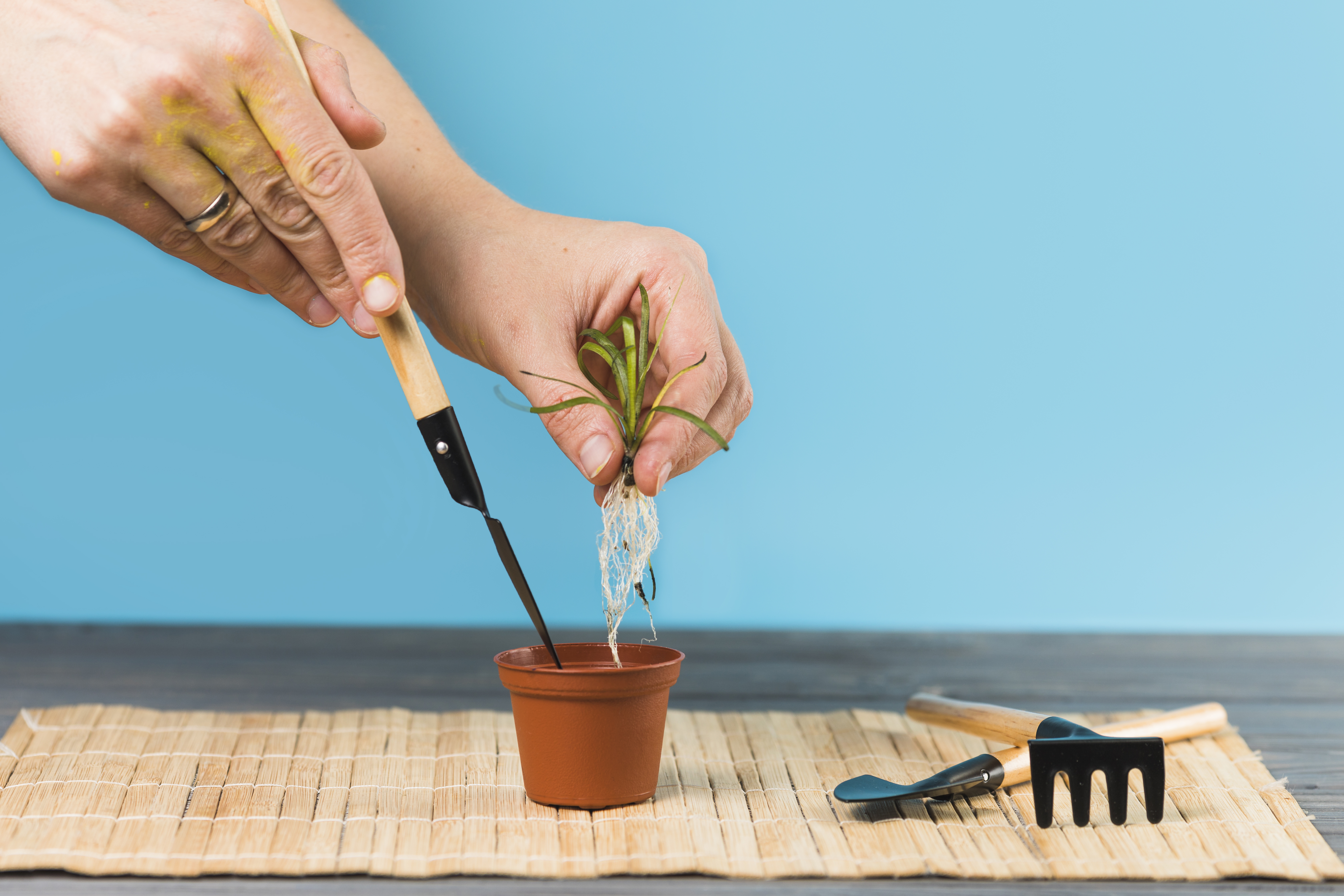

Introduction: Gardening with a Greener Purpose
As environmental consciousness grows, so does the desire for sustainable gardening trends that not only beautify our yards but also protect the planet. April 2025 marks a fresh season of change, and gardeners everywhere are embracing eco-friendly solutions that support biodiversity, reduce waste, and conserve resources.
Before proceeding further, did you check out 7 Fresh Spring Recipes Using Seasonal Ingredients: April 2025 Edition?
Let’s dig into the top 7 sustainable gardening trends reshaping green spaces this spring.
1. Native Plant Gardening
Why It’s Trending
Native plants are adapted to local climates and soil, meaning they require less water, fewer chemicals, and attract beneficial insects.
How to Get Started
- Choose plants indigenous to your region using a guide like the National Wildlife Federation Native Plant Finder.
- Focus on biodiversity—plant a variety to support pollinators and birds.
- Group by water needs for efficient care.
👉 Tip: Native plants not only thrive naturally, but they also reduce your garden’s carbon footprint.
2. Permaculture Principles in Urban Gardens
Why It’s Trending
More urban dwellers are turning to permaculture gardening to grow food and create self-sustaining ecosystems—even on balconies or rooftops.
Key Concepts
- Observe and interact: Study your environment before planting.
- Catch and store energy: Use rainwater and compost.
- Produce no waste: Reuse and recycle garden by-products.
👉 Explore urban permaculture ideas from Permaculture Research Institute
3. Composting at Home
Why It’s Trending
As landfill waste grows, composting offers an easy way to repurpose kitchen scraps into garden gold.
How to Start Composting
- Use a bin or compost tumbler in your backyard.
- Alternate green (food waste) and brown (leaves, paper) materials.
- Keep it aerated and slightly moist.
👉 Beginner’s composting guide from EPA
4. Smart Watering and Eco-Irrigation
Why It’s Trending
Water conservation is vital, especially in drought-prone areas. Sustainable gardening trends in 2025 focus on tech-savvy irrigation.
Eco-Irrigation Ideas
- Install drip irrigation systems for direct root watering.
- Use moisture sensors and timers to avoid overwatering.
- Collect rainwater in barrels and cisterns.
👉 Check out drip irrigation kits on Gardeners.com
5. Rewilding Residential Spaces
Why It’s Trending
The push for wildflower gardens and unmanicured spaces reflects a larger goal: restoring habitats for bees, butterflies, and birds.
How to Embrace Rewilding
- Allow parts of your lawn to grow naturally.
- Plant meadows or wildflower strips.
- Avoid pesticides and mow less often.
👉 Learn about rewilding from Rewilding Europe
6. Vertical Gardening and Micro-Greens
Why It’s Trending
Short on space? Vertical gardening and growing micro-greens indoors or on patios is exploding in popularity.
Tips to Try It Out
- Use shelves, wall planters, or repurposed pallets.
- Grow fast-harvest crops like pea shoots, arugula, and basil.
- LED grow lights can boost indoor production.
👉 Explore vertical garden setups from Modern Sprout
7. Eco-Friendly Garden Materials
Why It’s Trending
Plastic pots and synthetic fertilizers are out. In 2025, more gardeners are switching to sustainable tools and materials.
What to Use Instead
- Biodegradable seed trays
- Bamboo or wood tools
- Natural pest repellents like neem oil or companion planting
- Recycled mulch and gravel
👉 Green gardening tools from Greenhouse Megastore
How These Sustainable Gardening Trends Help the Planet
By adopting these sustainable gardening trends, you’re not just improving your backyard—you’re making a global impact. Every drop saved, every bee supported, and every scrap composted contributes to a healthier Earth.
Moreover, many of these practices reduce long-term gardening costs and promote healthier soil and food.
Conclusion: Cultivate Change with Every Plant
April 2025 is blooming with opportunity. By tapping into these 7 sustainable gardening trends, you’re not only staying ahead of the curve—you’re making a difference, one garden at a time.
So whether you’re growing tomatoes on your balcony or planting a backyard meadow, you’re part of a growing global movement toward greener, smarter gardening.
FAQs
1. What is the most sustainable way to garden?
Using native plants, composting, and conserving water are among the most sustainable methods.
2. Can I practice sustainable gardening in a small space?
Yes! Try vertical gardening, container planting, and growing micro-greens indoors.
3. How do I start composting if I live in an apartment?
Use a compact kitchen compost bin or join a local compost drop-off program.
4. Are smart irrigation systems expensive?
While some upfront cost exists, they save money long-term by reducing water usage.
5. How do I know which plants are native to my area?
Use online tools like the Native Plant Finder by NWF to research your region.