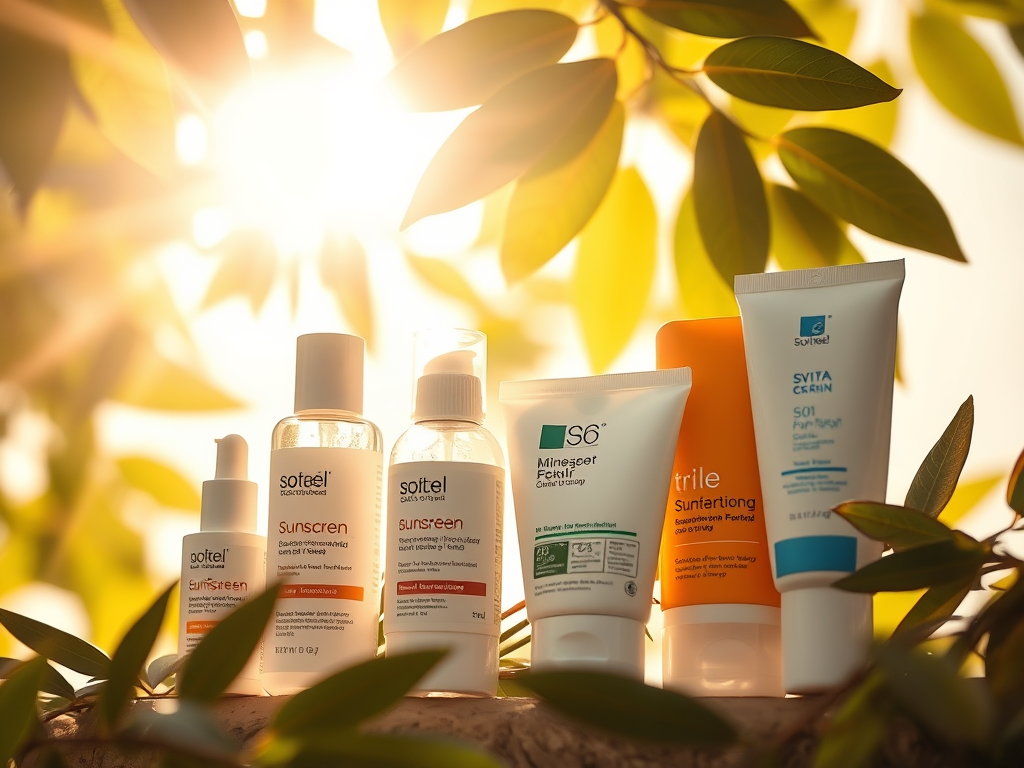

For a long time, sunscreens have been heralded as the foremost barrier to sun-related harm, claiming to protect users against aging, skin cancer, sunburns, etc. But are the claims indeed correct? Is it a hoax like so many things in the skincare industry? In this article, let’s examine the benefits, the science behind, and prevalent misconceptions regarding sunscreen usage.
The Breakdown on Sunscreens:
Sunscreens work either by absorbing or reflecting the harmful ultraviolet (UV) rays of the sun. Sunscreens can be divided into two categories:
1)Chemical (Organic) Sunscreen – Ingredients like oxybenzone and avobenzone, which are used in chemical sunscreen, transform the ultraviolet radiation into heat to prevent skin injury.
2)Mineral (Physical) Sunscreen – Zinc oxide and titanium dioxide are used to reflect UV rays and are known as mineral or physical sunscreens. Both types protect against UVA and UVB rays, which are responsible for premature aging and sunburns, respectively.
Are They Actually Effective?
The short answer: Yes! But only when used correctly. Studies have shown that regular sunscreen use reduces the risk of skin cancer, prevents premature aging, and minimizes sunburns. However, a lot depends on proper application:
- SPF Matters – SPF 30+ is recommended for daily use. Higher SPFs provide slightly better protection, but no sunscreen blocks 100% of UV rays.
- Reapplication is Key – Sunscreen should be reapplied every two hours, especially if swimming or sweating.
- Enough Product is Crucial – Most people don’t apply enough. A nickel-sized amount for the face and a shot-glass amount for the body is ideal.
Common Myths About Sunscreen
1. Darker Skin Doesn’t Need Sunscreen
While melanin provides some natural protection, it’s not enough to prevent UV damage. Everyone, regardless of skin tone, should wear sunscreen.
2. Sunscreen is Only Necessary on Sunny Days
UV rays penetrate clouds, meaning skin damage can occur even on overcast days.
3. Sunscreens are Harmful
Concerns about certain sunscreen ingredients exist, but most dermatologists agree that the benefits far outweigh the risks. Opt for mineral sunscreens if you’re worried about chemical absorption.
FAQs About Sunscreen
Q: Can I use sunscreen on babies?
A: Sunscreen is generally not recommended for babies under six months. Instead, keep them in the shade and dress them in protective clothing. For older babies, opt for a gentle, mineral-based sunscreen.
Q: Does sunscreen prevent tanning?
A: While sunscreen reduces UV damage, it does not completely prevent tanning. However, it does minimize the harmful effects of sun exposure.
Q: Can I use makeup with SPF instead of sunscreen?
A: Makeup with SPF provides some protection, but it’s usually not enough. It’s best to apply a dedicated sunscreen underneath your makeup for full coverage.
Q: What’s the difference between water-resistant and waterproof sunscreen?
A: No sunscreen is completely waterproof. Water-resistant sunscreens last longer when swimming or sweating but still need to be reapplied every 40-80 minutes.
Q: Does sunscreen expire?
A: Yes! Expired sunscreen loses its effectiveness. Check the expiration date and replace it as needed to ensure proper protection.
Final Verdict
Sunscreen isn’t just helpful—it’s essential. Whether you’re heading to the beach or just running errands, applying (and reapplying) sunscreen is a small step with big rewards for your skin’s health. Investing in a good sunscreen today could mean fewer wrinkles and a lower risk of skin cancer in the future. So, the next time you step out, make sunscreen your best friend!