Introduction
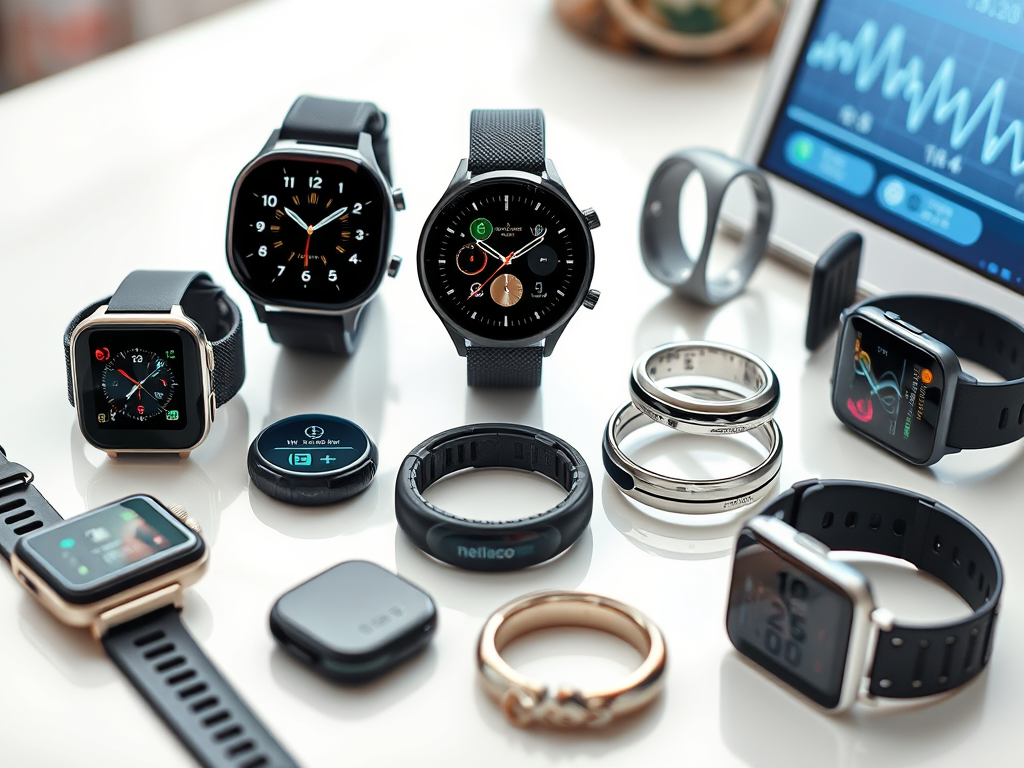
Wearable technology has transformed how we track our health and fitness. From smartwatches to fitness bands, these gadgets have become essential in today’s life style. Whether tracking heart rate, counting steps, or monitoring sleep patterns, wearable devices have become essential tools for fitness enthusiasts and healthcare professionals alike. This blog explores how wearable technology is transforming health monitoring, its benefits, and what the future holds.
What is Wearable Technology?
Wearable technology encompasses electronic devices designed to be worn on the body, enabling the collection and analysis of health data . These gadgets are equipped with sensors that track various physiological parameters such as heart rate, pulse, oxygen levels, and physical activity. Common examples include:
- Smartwatches (e.g., Apple Watch, Samsung Galaxy Watch, Fitbit)
- Fitness Bands (e.g., Fitbit Charge, Garmin, Xiaomi Mi Band)
- Smart Rings (e.g., Oura Ring)
- Smart Glasses (e.g., Google Glass, Vuzix)
- Wearable ECG Monitors (e.g., Withings Move ECG, KardiaMobile)
How Do Wearable Health Gadgets Work?
The majority of wearable health devices utilize optical sensors, accelerometers and gyroscopes to monitor vital signs and activity levels. Here’s an overview of how these key functions operate:
1. Heart Rate and Pulse Monitoring
Wearables use photoplethysmography (PPG) sensors to measure heart rate by shining a green light onto the skin and detecting blood flow changes.
2. Step Counting and Distance Tracking
Accelerometers and gyroscopes track movement and convert it into step count and distance traveled.
3. Calorie Tracking
Devices estimate calorie burn based on heart rate, movement, and user data like weight and age.
4. Sleep Monitoring
Wearables analyze movement and heart rate variability to assess sleep patterns, including deep sleep and REM cycles.
5. Blood Oxygen Monitoring (SpO2)
Pulse oximeters measure blood oxygen levels using infrared light, which helps monitor respiratory health.
Benefits of Wearable Health Technology
1. Detecting Diseases at an Early Stage
Wearables help detect irregularities such as arrhythmia or sleep apnea, allowing users to seek medical attention before conditions worsen.
2. Personalized Fitness Goals
Users receive customized insights into their fitness levels and recommendations to improve performance.
3. Remote Health Monitoring
Doctors can track patients’ vitals remotely, improving care for chronic disease management.
4. Improved Sleep Quality
Devices provide sleep analysis, helping users improve rest patterns for better overall health.
5. Encourages an Active Lifestyle
Daily activity goals and reminders encourage users to stay active and maintain a healthy routine.
Limitations and Challenges of Wearable Technology
While wearable technology offers numerous benefits, it also has some challenges:
1. Accuracy Issues
Wearables are generally reliable, but their accuracy can be affected by factors like skin tone, tattoos, and movement.
2. Battery Life
Most devices need frequent charging, which can be inconvenient for users.
3. Data Privacy Concerns
With health data being collected continuously, users must ensure their information is secure and protected from potential breaches.
4. Cost Factor
High-end wearable devices can be expensive, making them inaccessible for some users.
Future of Wearable Health Technology
The wearable tech industry is expected to grow significantly, with advancements in AI and machine learning improving accuracy and insights. Some emerging trends include:
- AI-driven Health Insights: Predictive analytics for disease prevention.
- Wearable ECG and Blood Pressure Monitors: More accurate cardiac monitoring without needing clinical visits.
- Integration with Telemedicine: Wearables will allow doctors to monitor patients remotely in real time.
- Smart Clothing: Sensors embedded in clothing to track vital signs seamlessly.
- Non-Invasive Glucose Monitoring: Future wearables may track blood sugar levels without pricking the skin.
How to Choose the Right Wearable Health Device
If you’re planning to buy a wearable health gadget, consider the following:
- Purpose: Are you looking for fitness tracking, heart rate monitoring, or advanced health analytics?
- Accuracy: Research device reviews for reliability in tracking data.
- Battery Life: Longer battery life means fewer charging interruptions.
- Compatibility: Ensure the device syncs with your smartphone or apps.
- Budget: Choose a gadget that fits your needs without overspending.
FAQs About Wearable Health Technology
1. Are wearable health devices accurate?
Most wearable devices provide reasonably accurate data, but they are not as precise as clinical equipment. Always consult a doctor for medical concerns.
2. Can wearable devices detect heart conditions?
Some smartwatches have FDA-approved ECG features that can detect irregular heart rhythms like atrial fibrillation, but they should not replace medical diagnosis.
3. Do wearable devices help with weight loss?
Yes, they help track activity levels, calories burned, and provide motivation, which can aid in weight management.
4. Can wearables improve sleep?
Yes, they analyze sleep patterns and provide insights on how to improve sleep quality.
5. Are there any risks in using wearable health technology?
The main risks include data privacy concerns, potential inaccuracies, and dependency on technology for health monitoring.
Conclusion
Wearable technology is transforming the way we track and manage our health. These smart gadgets provide real-time insights, helping users stay fit, detect health issues early, and improve their overall well-being. While challenges like accuracy and privacy concerns exist, ongoing advancements will only make these devices more reliable and efficient. Investing in the right wearable device can be a game-changer for your health journey.