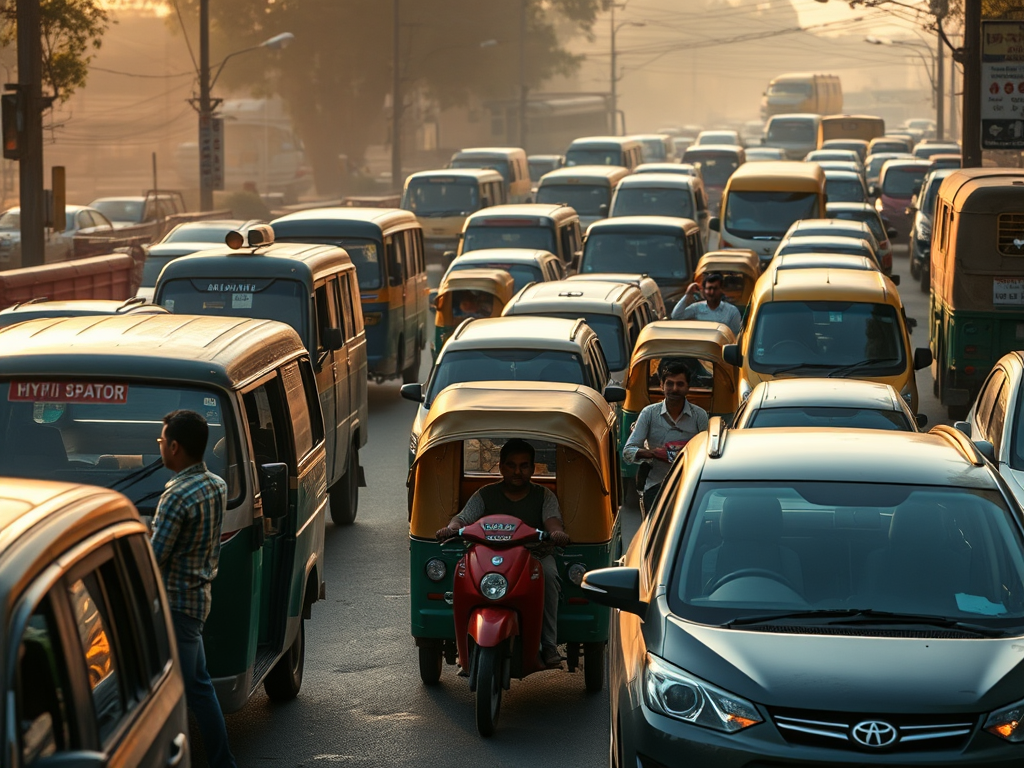

Delhi, the heart of India, is known for its historical landmarks, bustling markets, and vibrant culture. However, one of the biggest challenges faced by its residents is traffic congestion. The ever-growing number of vehicles, coupled with inadequate infrastructure and erratic driving habits, makes commuting in Delhi a daunting experience.
The Causes of Traffic Congestion in Delhi
1. Rapid Urbanization and Population Growth
Delhi has witnessed exponential population growth over the years, leading to an increase in the number of private vehicles. Despite the presence of a well-connected public transport system, many people prefer personal vehicles, adding to congestion.
2. Poor Road Infrastructure
Many roads in Delhi are narrow and ill-maintained, unable to handle the increasing vehicular load. Encroachments, potholes, and unplanned road construction projects contribute to traffic bottlenecks.
3. Unregulated Traffic and Violations
Lane indiscipline, reckless driving, and frequent traffic rule violations are common in Delhi. Many motorists ignore signals, drive in the wrong lanes, or indulge in rash driving, leading to traffic snarls and accidents.
4. Increase in Commercial and Heavy Vehicles
The influx of trucks and other heavy vehicles during peak hours adds to congestion. Despite restrictions on heavy vehicles during certain hours, many still enter the city roads, worsening the traffic situation.
5. Metro Construction and Roadworks
Ongoing metro expansion projects and road repairs often block crucial routes, forcing vehicles onto alternative roads, leading to further congestion.
Impact of Traffic Congestion
1. Increased Travel Time
An average commuter in Delhi spends more than 1.5 hours daily stuck in traffic, leading to frustration and loss of productivity.
2. Environmental Pollution
Delhi is infamous for its air pollution, and vehicular emissions are a major contributor. The long hours spent in traffic significantly increase carbon emissions, making the city’s air quality worse.
3. Fuel Wastage and Economic Loss
Idling in traffic results in unnecessary fuel consumption, causing financial strain on commuters. The economy also suffers as delays impact businesses and logistics operations.
4. Increased Road Accidents
Heavy congestion leads to aggressive driving behavior, increasing the risk of road accidents, injuries, and fatalities.
Measures to Tackle Traffic Congestion
1. Strengthening Public Transport
Encouraging people to use Delhi Metro, DTC buses, and other public transport options can help reduce the dependency on private vehicles.
2. Carpooling and Ride-Sharing
Carpooling, ride-sharing, and app-based cab services like Uber and Ola can help decrease the number of vehicles on the road.
3. Traffic Management and Strict Enforcement
Implementing strict penalties for traffic violations, better signal management, and enhanced patrolling can help regulate traffic flow.
4. Expansion of Road Networks and Smart Traffic Solutions
Developing flyovers, expressways, and underpasses, along with the use of AI-driven traffic monitoring systems, can help ease congestion.
5. Promoting Non-Motorized Transport
Creating dedicated cycling lanes and pedestrian-friendly pathways can encourage people to opt for healthier and environment-friendly commuting options.
Conclusion
Delhi’s traffic congestion is a major challenge, but with a combination of smart planning, better infrastructure, and responsible commuting behavior, the situation can be improved. A shift towards public transport, adherence to traffic rules, and government initiatives to develop better roads and metro networks are crucial to making Delhi’s traffic more manageable.
What are your thoughts on Delhi’s traffic? Share your experiences and solutions in the comments below!