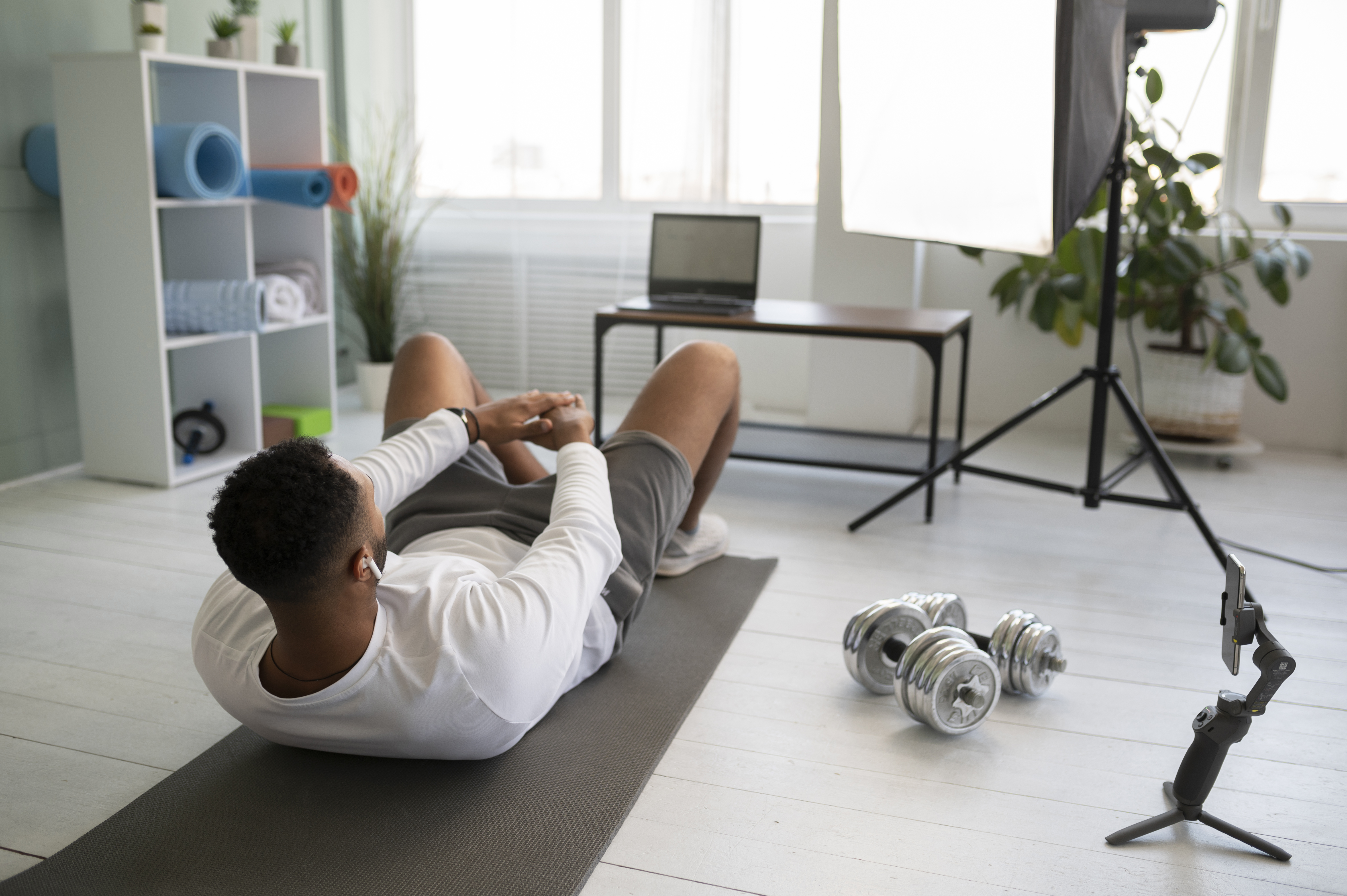

Introduction
Athletes today face a familiar question: should you invest your energy into a traditional gym routine or embrace the flexibility of home workouts? Whether you’re chasing performance goals in sprinting, football, CrossFit, or general fitness, this choice plays a big role in how efficiently you develop strength, endurance, and skill. While gyms have long been the gold standard, the rise of digital fitness platforms and compact equipment has made home training increasingly viable.
Let’s break down both environments—home and gym—to determine which better supports athletic performance. Along the way, we’ll dive into expert insights, research-backed comparisons, and real-world experiences to help you make a strategic fitness decision.
Understanding Athletic Performance
Key Components of Athleticism
Athletic performance is not just about how much you can lift or how fast you can run. It includes:
- Strength and Power
- Speed and Agility
- Endurance (cardiovascular and muscular)
- Mobility and Flexibility
- Balance and Coordination
These attributes require a variety of training methods, which may or may not be accessible depending on your workout setting.
The Role of Consistency and Progression
Regardless of where you train, consistent progressive overload—gradually increasing resistance or challenge—is the cornerstone of improvement. Both home and gym workouts can support this, but in different ways and with varying effectiveness based on equipment and structure.
Home Workouts: Convenience with Challenges
Advantages of Exercising at Home
Training from home offers several undeniable benefits:
- Time-saving: No commute or waiting for machines.
- Privacy: Train without judgment or distractions.
- Customizable Environment: Choose your music, lighting, and temperature.
- Cost-effective: Avoid recurring gym membership fees.
Apps like Nike Training Club and Fitbod offer structured plans using bodyweight or minimal equipment.
Limitations in Home-Based Fitness
However, home workouts come with constraints:
- Limited Equipment: Lacks heavy weights or specialized machines.
- Motivation Drops: Without external accountability, it’s easy to skip sessions.
- Space Issues: Small apartments may limit movement and storage.
Despite this, creative routines using resistance bands, kettlebells, and suspension trainers can bridge many of these gaps.
Common Home Workout Equipment and Apps
Some common tools include:
- Resistance bands
- Adjustable dumbbells
- Pull-up bars
- Suspension trainers (e.g., TRX)
- Yoga mats and foam rollers
Top fitness apps like Alo Moves and Peloton Digital provide varied training programs for home use.
Gym Workouts: Structured Strength and Performance
Benefits of Training at the Gym
The gym remains a powerhouse for athletic training due to:
- Access to Heavy Weights and Machines
- Variety of Equipment for Isolation and Compound Movements
- Professional Supervision from Trainers
- Sport-Specific Gear (e.g., turf lanes, sleds)
These tools are critical for progressive strength development, especially in sports that demand explosive power.
Downsides of Gym Memberships
However, not everything is perfect:
- Time-consuming travel
- Monthly fees
- Overcrowding during peak hours
- Less freedom in customizing the environment
Despite this, many athletes value the gym’s professional structure and focus-inducing atmosphere.
Equipment Variety and Environment Influence
From squat racks to assault bikes, gyms offer tools to push every aspect of performance. Additionally, the environment itself can boost your focus and motivation, thanks to the presence of like-minded individuals and expert staff.
Comparative Performance Metrics
Strength Development
Gyms typically win here due to access to heavy weights, machines, and spotters. Still, home lifters can make significant strength gains using progressive calisthenics or adjustable dumbbells.
Cardiovascular Endurance
Both settings allow for effective cardio training. Home setups can incorporate jump rope, HIIT, and online spin classes. Gyms offer treadmills, rowing machines, and structured metabolic conditioning areas.
Flexibility and Mobility
With the rise of online yoga and mobility programs, home wins in this area. However, many gyms now offer mobility zones or guided stretch classes.
Sport-Specific Training Adaptability
Athletes often need sprint lanes, sleds, or Olympic lifting platforms, which gyms provide. Home setups rarely offer such tools, though creative use of outdoor spaces helps bridge this gap.
Scientific Research on Home Workouts vs Gym
Strength Gains from Bodyweight vs Weighted Exercises
A 2021 study from the Journal of Strength and Conditioning Research found that bodyweight training can match machine-based training in muscle activation for beginners, but heavier resistance remains superior for experienced athletes.
Psychological Effects and Motivation
According to research from Frontiers in Psychology, individuals training in social environments like gyms show greater adherence and long-term motivation than those training alone at home.
Recovery and Injury Management
Gyms often include recovery tools—foam rollers, cold plunge stations, and stretching areas. Home users must invest separately or go without.
Cost Analysis
Upfront Costs of Home Setups
- Basic setup: $100–$300
- Full setup (weights, bench, rack): $1000+
- One-time investment with long-term use
Long-Term Gym Membership Fees
- Monthly: $30–$100+
- Yearly: $360–$1200+
- Some gyms offer performance-focused coaching at extra cost
Return on Investment (ROI) for Performance
While gyms may seem expensive, the variety and supervision often lead to faster gains—especially in strength sports.
Personalization and Adaptability
Workout Plans Tailored to Goals
Whether home or gym, customization is crucial. At home, apps and online coaches can design tailored programs. In the gym, trainers often fine-tune plans based on real-time feedback.
Accessibility and Flexibility in Scheduling
Home workouts win for busy schedules. Even 20-minute sessions can be squeezed in without the hassle of commuting.
Time Management and Lifestyle Fit
How Daily Routines Impact Consistency
When your day is packed, convenience matters. Studies show that removing friction—like travel—improves consistency, making home workouts ideal for busy professionals.
Eliminating Commute Time
You could reclaim 30–60 minutes per session simply by avoiding gym travel, allowing more time for recovery or other commitments.
Community and Accountability
Peer Influence and Support at the Gym
Being around others with similar goals can elevate your performance. Spotters, group classes, and gym partners increase intensity and accountability.
Online Coaching and Virtual Groups for Home Users
Platforms like Future Fitness and Trainerize offer real-time coaching and community support—even from your living room.
Professional Athletes’ Preferences
Off-Season vs In-Season Training Habits
Many athletes train at home during the off-season to focus on recovery and maintenance. In-season or pre-season often shifts back to specialized gym-based routines.
Hybrid Approaches Used by Elite Performers
Elite athletes like LeBron James or Simone Biles blend gym, home, and field training based on periodization and season demands.
Hybrid Model: Best of Both Worlds
Mixing Gym and Home Training for Optimal Gains
A strategic mix—say, strength training at the gym and recovery/mobility work at home—can maximize results without burnout or scheduling conflicts.
Weekly Sample Hybrid Workout Plan
- Monday: Gym (Lower Body Strength)
- Tuesday: Home (Yoga and Core)
- Wednesday: Gym (Upper Body Power)
- Thursday: Home (Cardio HIIT)
- Friday: Gym (Full Body Circuits)
- Saturday: Home (Mobility and Active Recovery)
- Sunday: Rest
Which Is Better for Athletic Performance?
Depends on the Sport, Goals, and Lifestyle
If you’re training for a marathon, your focus might lean toward home-based road running. If you’re a powerlifter or football player, gym access becomes more critical.
Choosing Based on Your Personal Metrics
Track your progress. Choose the environment where you consistently show improvement. That’s your winner.
Expert Opinions and Case Studies
Interviews and Surveys from Trainers and Athletes
A recent ACE Fitness survey found that 60% of athletes blend gym and home workouts for optimal results. Coaches recommend using both environments for a more rounded development.
Real-Life Results from Home vs Gym Athletes
Thousands of home athletes achieved stunning transformations using structured bodyweight training. However, those chasing max strength or hypertrophy typically see better gains in the gym.
Final Verdict
Home Workouts Are Effective, But Context Matters
With the right strategy, home workouts can significantly improve your athletic performance—especially for general fitness, mobility, and endurance.
Gym Access Still Enhances Specialized Performance
If your goals demand maximal strength, powerlifting, or sport-specific drills, the gym remains unmatched.
Conclusion
In the end, the best workout environment is the one that supports your goals and fits your life. Home workouts deliver flexibility, affordability, and surprisingly strong results when done right. Gyms, on the other hand, offer structure, heavier resistance, and more tools for specialized performance. Ideally, combining both gives you the edge.
FAQs
Can I build muscle at home without weights?
Yes. Using bodyweight exercises, resistance bands, and progressive overload can help you build muscle. However, it may be slower than using gym equipment.
Are gym workouts necessary for athletes?
Not always. Many athletes train effectively at home. However, gyms provide access to specialized tools that enhance performance in strength and power-based sports.
Is it cheaper to work out at home long-term?
Yes. Although the upfront cost may be higher, home workouts can save you thousands over time by avoiding recurring gym fees.
What’s better for beginners: home or gym?
Home is great for getting started without pressure. But gyms offer guidance from trainers, which can help beginners learn proper form.
How often should I switch my workout environment?
Switching every few weeks or combining both environments weekly can prevent plateaus and keep your training exciting and effective.