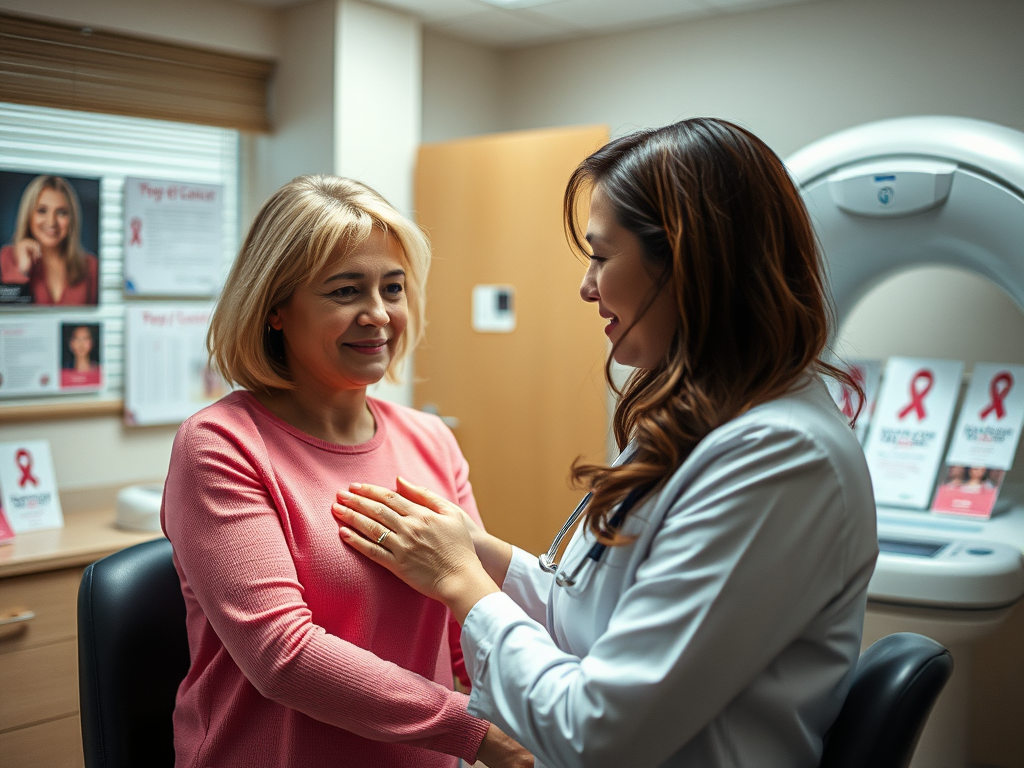
Introduction
Breast cancer remains one of the most commonly diagnosed cancers worldwide. With continuous advancements in medical science, early detection and improved treatments have drastically enhanced survival rates. Screening plays a pivotal role in catching breast cancer at its earliest, most treatable stage — making it a crucial public health strategy. In this blog, we’ll dive deep into breast cancer screening methods, survival rates, symptoms, myths, and treatments, helping you stay informed and proactive.

What is Breast Cancer?
Breast cancer occurs when cells in the breast begin to grow uncontrollably. These abnormal cells usually form a lump or mass and can potentially spread to other parts of the body. The disease primarily affects women but can also occur in men.
Symptoms of Breast Cancer
While screening often detects cancer before symptoms appear, being aware of the warning signs is essential:
- A lump or mass in the breast or underarm area
- Changes in the size or shape of the breast
- Dimpling or puckering of the skin
- Nipple discharge (other than breast milk)
- Inverted or retracted nipple
- Redness, swelling, or thickening of the breast or nipple
- Persistent pain in one area of the breast
Breast Cancer Screening: Why It Matters
Screening means checking for cancer before symptoms appear. It’s the most effective way to detect breast cancer early, significantly improving survival rates and treatment options. Early-stage cancers are usually smaller, less likely to have spread, and are easier to treat.
Who Should Get Screened?
Guidelines may vary, but most recommend:
- Women aged 40-44: Optional annual mammograms
- Women aged 45-54: Annual mammograms
- Women aged 55 and older: Mammograms every 1-2 years
Those with a higher risk (family history, genetic mutations like BRCA1 or BRCA2) may need earlier and more frequent screenings.
Types of Breast Cancer Screening Tests
1. Mammography
A low-dose X-ray that can detect lumps or abnormalities too small to be felt. It remains the gold standard for breast cancer screening.
2. Breast MRI (Magnetic Resonance Imaging)
Recommended for high-risk women, MRI uses magnets and radio waves to create detailed images of the breast.
3. Clinical Breast Exam
A physical examination of the breasts by a healthcare professional.
4. Breast Self-Exam
Regular self-checks to look for changes or lumps, although not a substitute for medical screening.
Breast Cancer Survival Rates: What the Numbers Say
Thanks to early detection and improved treatment methods, breast cancer survival rates have risen dramatically over the years.
5-Year Survival Rates by Stage
- Localized (cancer has not spread outside the breast):
99% survival rate - Regional (cancer has spread to nearby lymph nodes):
86% survival rate - Distant (cancer has spread to distant parts of the body):
31% survival rate
Source: American Cancer Society (2023)
The overall 5-year relative survival rate for women with breast cancer is 90%. When detected early (at the localized stage), the chances of survival are extremely high.
How Screening Influences Survival Rates
Studies show that routine screening:
- Reduces breast cancer deaths by up to 40%
- Catches cancer early before it spreads, improving treatment options
- Decreases the need for aggressive treatments like chemotherapy or mastectomy in some cases
The earlier it’s found — the better the outcome.
Regular screening transforms breast cancer from a life-threatening disease into a highly treatable one.
Risk Factors for Breast Cancer
Non-Modifiable:
- Being female
- Increasing age
- Family history of breast or ovarian cancer
- Genetic mutations (BRCA1, BRCA2)
- Early menstruation (before 12) or late menopause (after 55)
Modifiable:
- Obesity and lack of physical activity
- Alcohol consumption
- Smoking
- Hormonal replacement therapy (HRT)
- Birth control pills
Treatment Options for Breast Cancer
Treatment depends on the cancer’s stage, type, and personal health factors:
- Surgery: Lumpectomy or mastectomy
- Radiation therapy: Uses high-energy rays to kill cancer cells
- Chemotherapy: Drugs that kill fast-growing cells
- Hormone therapy: Blocks hormones that fuel certain breast cancers
- Targeted therapy: Focuses on specific cancer cell traits
- Immunotherapy: Helps the immune system fight cancer
Common Myths About Breast Cancer
| Myth | Fact |
|---|---|
| Only women with a family history get breast cancer | Most women diagnosed have no family history |
| Wearing underwire bras causes cancer | No scientific evidence supports this |
| Men don’t get breast cancer | Men account for about 1% of cases |
| Breast cancer always causes a lump | It can also present as skin changes, nipple discharge, or pain |
| Mammograms cause breast cancer | Mammograms use safe, low-dose radiation |
FAQs About Breast Cancer Screening & Survival
Q1. At what age should I start breast cancer screening?
Most experts recommend starting mammograms at age 40, with optional early screening for high-risk individuals.
Q2. How often should I get screened?
Generally, every year from 45-54, and every 1-2 years after 55. High-risk patients may need earlier or more frequent screenings.
Q3. Is mammography safe?
Yes. Mammograms use a very low dose of radiation and the benefits far outweigh any risks.
Q4. Can breast cancer survival rates improve?
Absolutely. With early detection, healthy lifestyle changes, and access to effective treatments, survival rates continue to rise globally.
Q5. How effective is a breast self-exam?
While helpful for noticing changes, self-exams are not a replacement for mammograms or professional exams.
Q6. Can lifestyle changes help reduce my risk?
Yes — maintaining a healthy weight, regular exercise, limiting alcohol, avoiding tobacco, and eating a balanced diet can lower your risk.
Q7. Does early detection really save lives?
Yes — the 5-year survival rate is 99% for localized cancers detected through routine screening.
Conclusion
Breast cancer screening is a life-saving tool that can dramatically increase survival rates through early detection. While the idea of undergoing regular screening might seem daunting, it is one of the most effective measures against this disease. The numbers are clear: the earlier breast cancer is found, the better the chances of successful treatment and long-term survival.
Remember, being informed is being empowered. Don’t fall for myths. Keep up with routine mammograms and talk to your healthcare provider about your personal risk and screening schedule.
Stay aware, stay proactive, and prioritize your health.