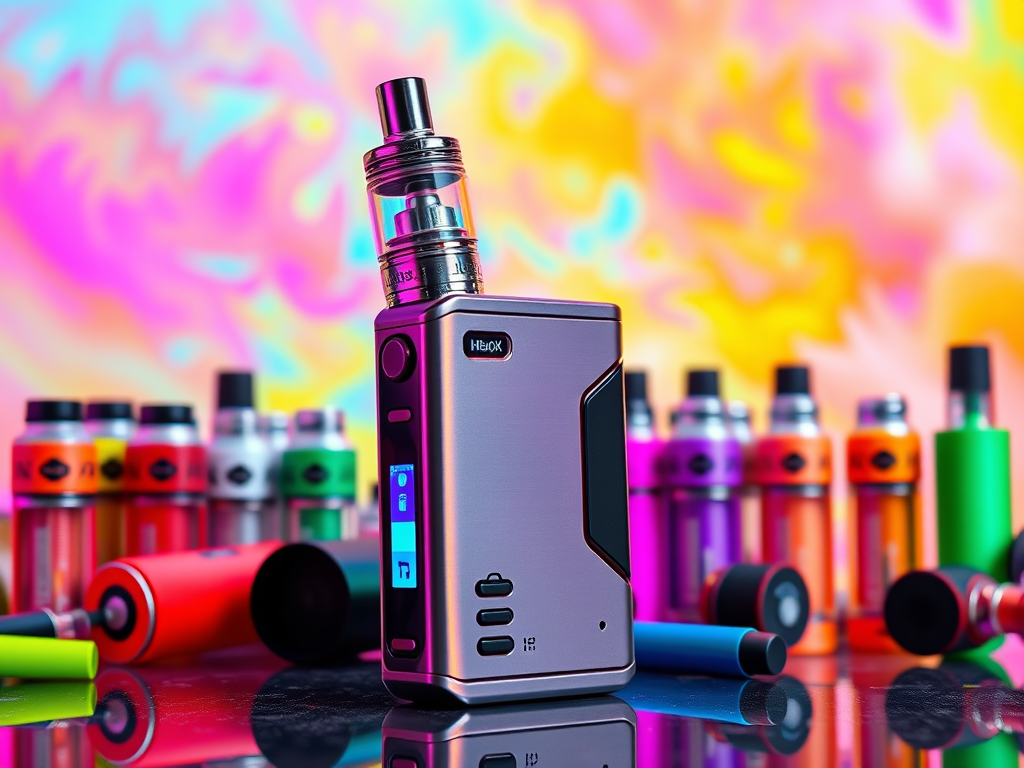
The Rise of Vaping in 2025: Trends, Truths, and the Hidden Disadvantages
In 2025, vaping is more than just a trend—it’s a global phenomenon. From flashy disposable vapes in neon colors to sleek, customizable vape mods, the culture has become a lifestyle for millions, especially Gen Z and young millennials.
But behind the clouds of strawberry ice and watermelon mint, a more serious conversation is brewing.
Is vaping really safer than smoking? Or are we walking into another health crisis—just with a cooler design?
Let’s explore how vaping is rising in 2025, why it’s exploding in popularity, and what hidden disadvantages you really need to know.
Vaping Trends in 2025: What’s New?
Vaping has evolved far beyond its early e-cigarette days. In 2025, we’re seeing:
- Sleeker, smarter vapes: Bluetooth-enabled, app-controlled devices are common.
- Nicotine-free options: Targeting non-smokers and teens under the disguise of “healthy vaping.”
- Designer disposables: Limited editions, bold flavors, and luxury branding.
- Social media hype: TikTok and Instagram Reels are filled with vape tricks, aesthetic unboxing videos, and influencer shoutouts.
According to a 2025 WHO report, over 1.3 billion people globally have tried vaping, with the highest growth among 16–27-year-olds.
Why Is Vaping So Popular in 2025?
There are three major drivers behind the boom:
1. Perceived Safety
Vaping is marketed as a “safer alternative” to cigarettes. While it’s true that it avoids tar and combustion-related toxins, nicotine is still very much a part of the equation—and just as addictive.
2. Flavor Variety
From tropical fruits to candy and even dessert-themed blends like “choco-mint swirl,” flavors are designed to lure first-time users. This sensory appeal makes vaping more palatable, especially for younger audiences.
3. Peer & Influencer Culture
Let’s be honest: vaping looks cool. Or at least it’s marketed that way. Influencers with millions of followers casually vape in videos, creating the illusion of glamour and normalizing the habit.
Disadvantages of Vaping: What They’re Not Telling You
Now comes the part vape companies would rather you ignore.
1. Health Risks
Even in 2025, medical research is catching up to the long-term effects of vaping. Some of the most pressing concerns include:
- Nicotine addiction (even in “low-nicotine” or “nicotine-free” labeled products)
- Lung inflammation and damage
- Popcorn lung (bronchiolitis obliterans) due to harmful flavoring agents
- Increased risks of heart problems and high blood pressure
Several studies this year confirmed that daily vape users show early signs of lung scarring, similar to cigarette smokers.
2. Mental Health Impact
The link between nicotine use and anxiety/depression is well-documented. Vaping may create a short-term dopamine spike but long-term dependence messes with brain chemistry—especially in teens and young adults.
3. Teen Gateway Effect
Many teens who start with vaping move on to traditional cigarettes or other nicotine-based products. Vaping is no longer just a smoking cessation tool—it’s a potential starter drug.
4. Environmental Waste
Disposable vapes are contributing to plastic and battery pollution at alarming levels. They’re non-biodegradable, filled with e-waste, and often dumped irresponsibly.
Vaping Myths Busted in 2025
1.“Vaping is harmless.”
Truth: Most vapes still contain addictive nicotine and harmful chemicals like formaldehyde.
2. “Vaping helps you quit smoking.”
Truth: Many people vape in addition to smoking, leading to dual dependence.
3. “It’s just flavored water vapor.”
Truth: Vape aerosols contain ultra-fine particles, heavy metals, and volatile organic compounds.
Government Regulations in 2025
Countries are taking notice. In 2025, here’s how regulations have evolved:
- India continues its vape import ban but illegal sales rise through social media platforms.
- USA has imposed stricter age checks and banned flavored vapes in several states.
- UK and EU are moving toward plain packaging laws, similar to cigarette policies.
- Australia now requires a prescription to buy any nicotine-containing vape.
Still, enforcement remains a challenge—especially in the digital age where online sales are booming.
What’s Next for Vaping?
The vaping industry isn’t slowing down. With billion-dollar brands and celebrity collaborations, the glamorization of vaping continues in pop culture.
But health experts warn: The next epidemic might not be tobacco—it could be tech-enhanced nicotine.
As AI-driven health trackers, smart sensors, and biofeedback apps become mainstream, expect vaping companies to pivot toward even more “intelligent” devices… but that doesn’t mean they’ll be safe.
Final Takeaway: Is Vaping Worth It?
In 2025, vaping is everywhere—but that doesn’t mean it’s harmless.
If you vape, stay informed. Know what’s going into your lungs. If you don’t vape, don’t fall for the hype.
Your health is trending—and that’s the only trend that truly matters.
Explore More on ExploreTopTrends.com
From lifestyle and health tech to Gen Z culture and digital disruption, stay ahead of the curve with ExploreTopTrends.com.
Be the first to know what’s really trending—and why it matters.