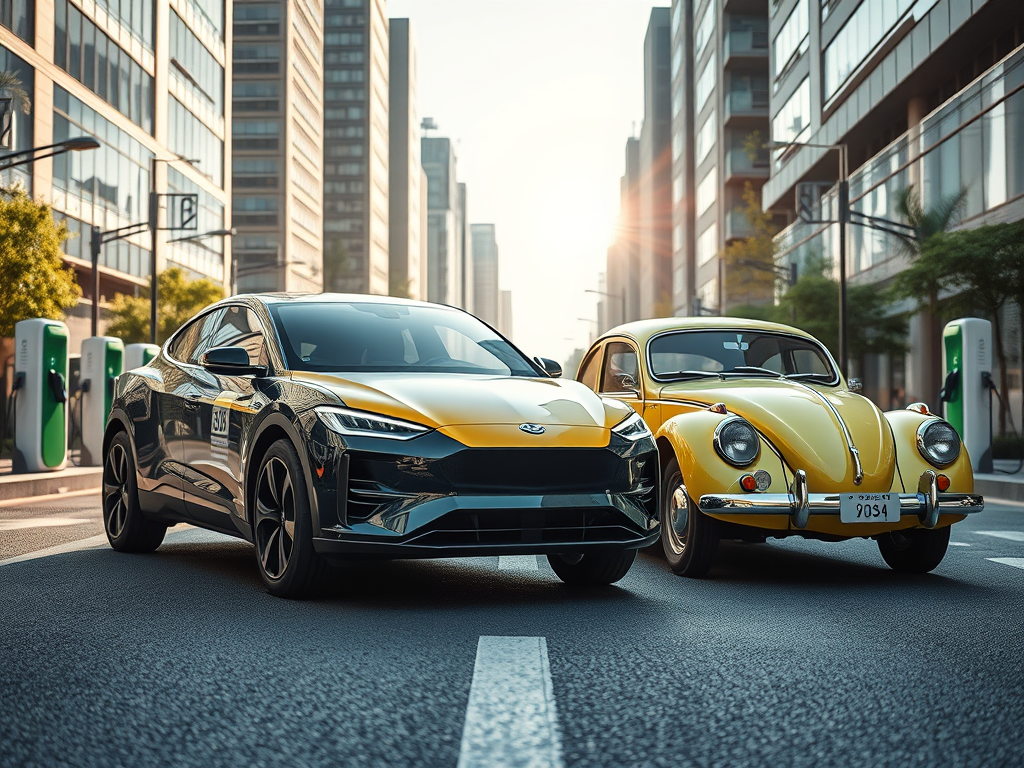
Introduction: The Battle of the Roads in 2025
In 2025, the automotive world is at a crossroads. With the rapid evolution of electric vehicles (EVs), the age-old dominance of petrol cars and bikes is being challenged like never before. As governments push for greener alternatives and consumers seek more cost-effective options, one question dominates the conversation:
Are electric cars and bikes truly better than petrol ones in 2025?
Let’s explore this hot debate and break down everything you need to know—performance, costs, environmental impact, and the future of mobility.
Electric Vehicles vs Petrol: Key Differences
1. Cost of Ownership in 2025
One of the most significant reasons people are switching to electric cars and bikes in 2025 is the lower total cost of ownership.
- Electric Cars & Bikes:
- Lower running costs (no fuel, fewer moving parts).
- Charging cost per km is significantly less than petrol.
- Government incentives and tax rebates in countries like India, USA, and the EU.
- Major companies like Tesla, Ola Electric, and Tata Motors are offering budget EV models in 2025.
- Petrol Vehicles:
- Higher fuel prices globally.
- Regular servicing needed—oil changes, engine maintenance, etc.
- Higher long-term cost despite lower upfront prices (in some cases).
2. Performance and Technology
Contrary to past beliefs, modern electric cars and bikes in 2025 outperform petrol-powered vehicles in many ways.
- Electric Vehicles (EVs):
- Instant torque and smoother acceleration.
- Smart dashboards, regenerative braking, and AI driving assistance.
- Silent operation, no engine noise.
- Models like the Tata Punch EV and Ola S1 Pro 2nd Gen offer enhanced battery life and speed.
- Petrol Vehicles:
- Longer range (for now).
- Easier to refuel in remote areas.
- Preferred for performance enthusiasts in some high-speed use cases.
3. Range and Charging Infrastructure
- EVs in 2025:
- Average electric cars now offer 300–500 km per charge.
- Fast-charging stations have increased by 300% globally from 2020 levels.
- Charging time ranges from 30 minutes (fast chargers) to 6 hours (home).
- Petrol Vehicles:
- No range anxiety.
- Refueling takes 2–5 minutes.
- Still dominant in areas where EV infrastructure is underdeveloped.
4. Environmental Impact
One of the biggest advantages of electric vehicles is their zero tailpipe emissions.
- Electric Vehicles:
- Lower carbon footprint.
- Better air quality in urban zones.
- Some concerns over battery recycling and lithium mining.
- Petrol Vehicles:
- High CO2 emissions.
- Major contributor to urban pollution.
- Noise pollution and smog are common issues.
Governments in countries like Norway, Germany, and India are offering subsidies and even implementing bans on new petrol vehicle registrations beyond 2030.
5. Availability and Market Trends in 2025
- Electric Cars and Bikes:
- Massive growth in adoption.
- Brands like BYD, Hyundai, Ather, and Revolt are leading the race.
- Second-hand EV market is booming, reducing entry costs.
- Petrol Vehicles:
- Still widely available, especially in tier 2 and rural areas.
- New launches are slowly declining.
By mid-2025, electric vehicles are projected to make up over 25% of all new vehicle sales globally, with even higher numbers in countries like China and Norway.
Top Electric Cars and Bikes in 2025
Here are some of the most popular EVs this year:
Electric Cars:
- Tata Punch EV
- Hyundai Ioniq 6
- Tesla Model 3 Refresh
- BYD Atto 3
- MG Comet EV
Electric Bikes:
- Ola S1 Pro Gen 2
- Ather 450X
- Revolt RV400
- TVS iQube ST
- Bajaj Chetak Premium
Challenges Still Facing EV Adoption
While electric vehicles are winning many battles, some challenges remain:
- Battery recycling and e-waste
- Charging station density in rural areas
- Initial cost still high for some consumers
- Limited resale value perception (though improving)
Governments and private players are investing heavily to overcome these barriers, and by 2030, these hurdles might become negligible.
Final Verdict: Which Is Better in 2025?
So, electric vs petrol—who wins in 2025?
If you live in a city with good infrastructure and want long-term savings, the answer is clear:
Go electric.
If you’re in a remote region or need ultra-long-range travel with minimal downtime:
Petrol might still serve you better—for now.
But the future is leaning electric. With advancing battery tech, expanding infrastructure, and environmental urgency, EVs are not just a trend—they’re the future.
Conclusion: Stay Ahead of the Curve
As the world shifts towards sustainable transport, choosing between an electric car or bike vs petrol is more than a financial decision—it’s a lifestyle choice and a step toward a greener planet.
Stay updated with the latest tech, trends, and tips on ExploreTopTrends.com—your guide to what’s next in the world of innovation.