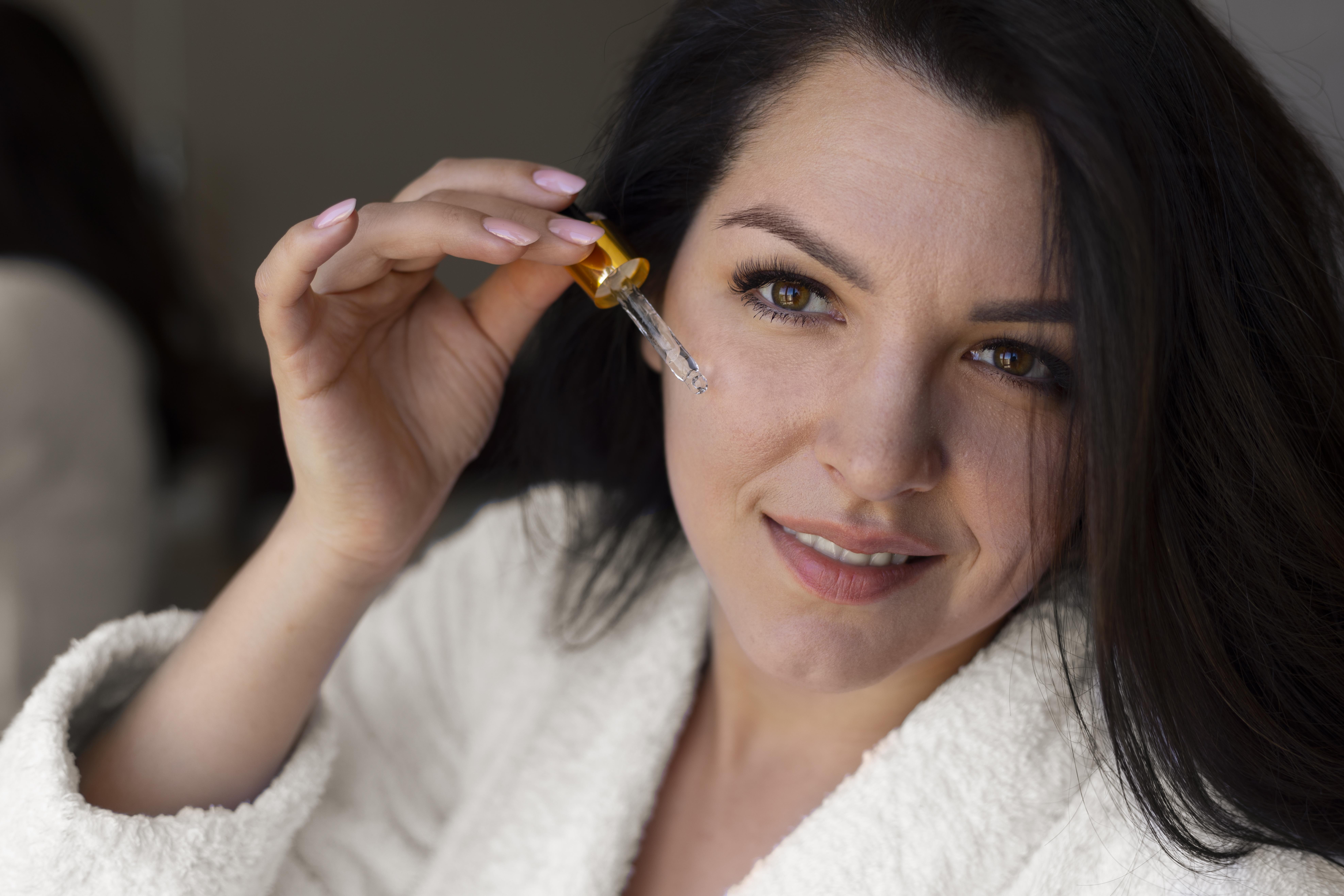
In the world of skincare, few ingredients have gained as much recognition and credibility as Vitamin C, especially when it comes to anti-aging. From brightening dull complexions to minimizing fine lines and wrinkles, Vitamin C as an anti-aging agent has become essential in daily skincare routines for people looking to preserve youthful, radiant skin.
If you’re curious about what makes Vitamin C so valuable for aging skin, how it works, and how to select the right serum, this comprehensive guide will answer all your questions.

What is Vitamin C Serum?
A Vitamin C serum is a lightweight, fast-absorbing skincare product designed to deliver a concentrated dose of Vitamin C directly to the skin. Vitamin C, also known as ascorbic acid, is a potent antioxidant that helps to combat free radicals — unstable molecules that damage skin cells and accelerate the signs of aging.
When applied topically, Vitamin C serums can:
- Brighten and refresh the skin
- Even out skin tone and reduce discoloration
- Stimulate natural collagen production
- Fade dark spots, sun spots, and acne scars
- Reduce the appearance of fine lines and wrinkles
Why is Vitamin C So Important for Anti-Aging?
As we age, our skin naturally undergoes changes such as:
- Loss of firmness and elasticity
- Increased fine lines and wrinkles
- Dull and uneven complexion
- Hyperpigmentation and age spots
Vitamin C effectively addresses these common concerns through several mechanisms:
1. Boosting Collagen Production
Collagen is the primary structural protein responsible for keeping skin firm, plump, and elastic. Vitamin C enhances the skin’s natural collagen synthesis, which can help reduce fine lines, improve firmness, and restore youthful-looking skin.
2. Neutralizing Free Radicals
Environmental factors like sun exposure, pollution, and stress generate free radicals in the skin, contributing to premature aging. Vitamin C’s antioxidant properties neutralize these harmful molecules, protecting the skin from further damage.
3. Brightening and Evening Out Skin Tone
Vitamin C inhibits melanin production, helping to lighten dark spots, sun spots, and discoloration. It leaves the skin looking brighter, more luminous, and evenly toned.
4. Improving Skin Texture
With consistent use, Vitamin C serums can soften rough patches, refine skin texture, and enhance the skin’s overall appearance, making it feel smoother and more radiant.
How to Choose the Right Vitamin C Serum
Selecting a Vitamin C serum involves more than picking the first bottle you see. Here are the essential factors to consider:
Concentration
Vitamin C serums typically range between 10% and 20% concentration.
- 10-15%: Ideal for sensitive or beginner users
- 15-20%: Suitable for most skin types seeking visible anti-aging benefits
Higher concentrations can sometimes cause irritation, especially for sensitive skin, so it’s wise to start low and increase gradually.
Form of Vitamin C
Vitamin C comes in several forms, each with its own advantages:
- L-Ascorbic Acid: The most effective and research-backed form, though it may be irritating for some skin types.
- Magnesium Ascorbyl Phosphate and Sodium Ascorbyl Phosphate: More stable and gentle alternatives, suitable for sensitive skin.
Packaging
Vitamin C degrades when exposed to light and air. Choose products in:
- Dark, tinted glass bottles
- Airless pumps
- Opaque, sealed containers
This helps preserve the serum’s potency and shelf life.
Complementary Ingredients
Look for serums enriched with ingredients that enhance the effects of Vitamin C, such as:
- Vitamin E: Improves antioxidant stability
- Ferulic Acid: Boosts Vitamin C’s effectiveness and stability
- Hyaluronic Acid: Provides deep hydration, reducing dryness and irritation
Popular Vitamin C Serums to Consider
There are many high-quality Vitamin C serums available, each offering unique formulations and strengths. Here are some widely recommended options:
- SkinCeuticals C E Ferulic
A cult favorite known for its powerful combination of Vitamin C, Vitamin E, and Ferulic Acid. - Drunk Elephant C-Firma Fresh Day Serum
Features a potent antioxidant complex with pumpkin ferment extract and pomegranate enzyme to improve skin texture. - La Roche-Posay Pure Vitamin C Face Serum
Combines pure Vitamin C with salicylic acid for smoother, more radiant skin. - TruSkin Vitamin C Serum
A budget-friendly option with Vitamin C, Vitamin E, and Hyaluronic Acid. - Obagi Professional-C Serum
Offers multiple concentration options with a clinically backed, dermatologist-recommended formula.
How to Use Vitamin C Serum Effectively
To get the most out of your Vitamin C serum, follow these steps:
- Cleanse: Wash your face with a gentle cleanser to remove dirt and oil.
- Apply Serum: Place a few drops of Vitamin C serum onto your fingertips, then gently pat and press it into the skin, covering the face and neck.
- Let it Absorb: Allow the serum to fully absorb into the skin for 1-2 minutes.
- Moisturize: Follow with a hydrating moisturizer to lock in the serum.
- Apply Sunscreen: Finish with a broad-spectrum sunscreen (SPF 30 or higher) in the morning, as Vitamin C enhances your skin’s sun protection.
Tip: Vitamin C is best applied in the morning for optimal photoprotective benefits, but it can be used in the evening if preferred.
Myths and Facts About Vitamin C Serums
Myth 1: Vitamin C can replace sunscreen.
Fact: While Vitamin C boosts sun protection, it cannot replace sunscreen. Both should be used together for maximum defense against sun damage.
Myth 2: Higher concentrations are always better.
Fact: A higher percentage does not always mean more effectiveness. Concentrations above 20% may irritate the skin without offering additional benefits.
Myth 3: Vitamin C serums work instantly.
Fact: While some brightening effects may appear within a few weeks, visible anti-aging results such as reduced wrinkles and improved firmness typically take about 2-3 months of consistent use.
Frequently Asked Questions (FAQs)
Q: Can I use Vitamin C serum every day?
A: Yes, Vitamin C serum is safe for daily use. Start with a lower concentration if you have sensitive skin, then gradually increase frequency and strength.
Q: When should I start using Vitamin C serum?
A: It is recommended to start using Vitamin C serum in your mid-20s or early 30s to maintain healthy, youthful-looking skin and prevent early signs of aging.
Q: Can Vitamin C be combined with other skincare ingredients?
A: Yes, it works well with hydrating ingredients like Hyaluronic Acid and antioxidants like Vitamin E. Avoid using it at the same time as retinol, as this can cause irritation.
Q: How long will it take to see results?
A: Most users notice brighter, smoother skin in 2-4 weeks, with more significant improvements in pigmentation, fine lines, and skin texture in about 8-12 weeks.
Q: Can Vitamin C cause skin irritation?
A: Some people may experience mild redness, tingling, or dryness, particularly with higher concentrations. Starting with a lower concentration and gradually increasing can help minimize side effects.
Final Thoughts
Vitamin C serums have earned their reputation as one of the most effective skincare products for achieving youthful, radiant skin. By stimulating collagen production, brightening skin tone, and protecting against environmental damage, Vitamin C addresses many of the key concerns associated with aging skin.
Incorporating a well-formulated Vitamin C serum into your skincare routine is a smart, science-backed investment for maintaining healthy, glowing skin. Look for quality products with stable formulations, complementary ingredients, and appropriate packaging to get the best results.
Consistency is key — with regular use, your skin can look brighter, smoother, and more youthful over time.
Have a look at the similar articles.